
Product Category
Intracellular Antioxidants, Endogenous Detoxification Factors & Cellular Protection Peptides
Action on the Human Body
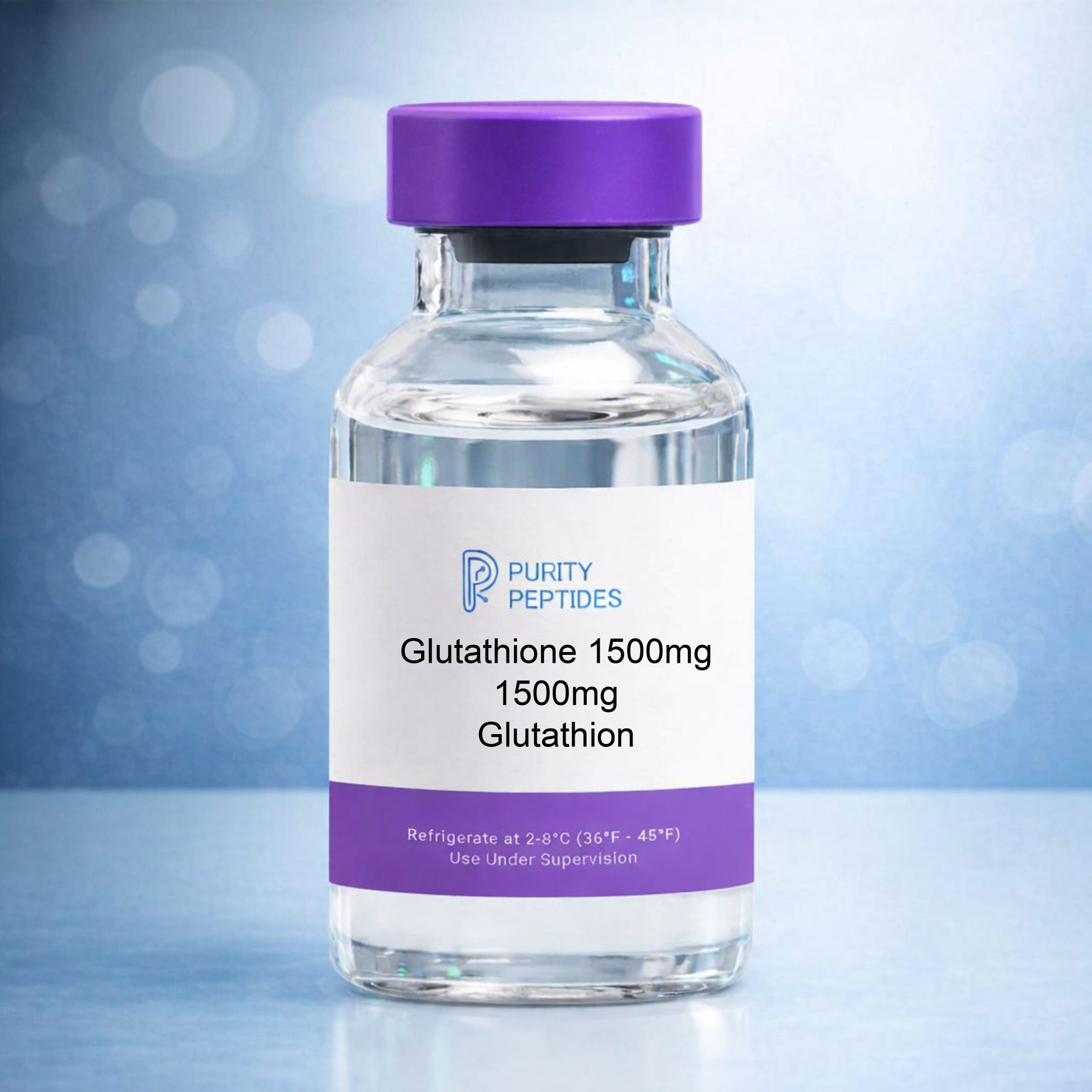
Glutathione is a low-molecular-weight tripeptide (gamma-glutamyl-cysteinyl-glycine) that functions as the primary endogenous master antioxidant within human biology. Operating at a foundational cellular level, it acts as a direct free radical scavenger, neutralizing reactive oxygen species (ROS) and free radicals that cause cellular aging and DNA damage. Glutathione is a mandatory cofactor for the enzyme glutathione peroxidase, which neutralizes harmful lipid peroxides and protects mitochondrial membrane stability. In hepatic systems, it drives Phase II conjugation pathways, binding directly to heavy metals, environmental toxins, and lipid-soluble xenobiotics to transform them into water-soluble compounds for swift renal elimination. This comprehensive clearance balances the cellular redox state, preserves lymphocyte immune function, and blocks the melanogenesis pathway by inhibiting tyrosinase, supporting systemic cellular vitality.
What to Expect if Consumed
Expect a major upgrade in cognitive clarity, a significant reduction in chronic physical fatigue markers, optimized liver enzyme values, rapid post-exertion recovery, and a clear, radiant skin complexion.
Possible Therapy Combinations
Pairs perfectly with NAD+ to build a premier cellular defense protocol, or can be layered with any GLP-based weight management compound to manage oxidative bioproducts released during rapid fat burning.
Molecular Formula & Chemical Composition
Molecular Formula: C10H17N3O6S. Sequence: L-gamma-Glutamyl-L-cysteinyl-glycine. Purity: >99% Pure Analytical Grade Lyophilized Mass.
WARNING: This peptide compound must be handled and utilized exclusively under very high, correct professional and qualified medical supervision. Misuse can lead to unintended biological variations.
Scientific References
1. Forman, H. J., et al. (2009). ‘Glutathione: Overview of its protective roles, measurement, and biosynthesis.’ Molecular Aspects of Medicine.
2. Wu, G., et al. (2004). ‘Glutathione metabolism and its implications for health.’ Journal of Nutrition.
Reviews
There are no reviews yet.